What exactly is EIFS and how's it different from traditional stucco?
Alright, let's just clear this up right away because, honestly, there's a ton of confusion out there. EIFS stands for Exterior Insulation and Finish System. Think of it like a really smart sandwich for your walls. You start with a layer of insulation board—usually expanded polystyrene, which is basically a thick kind of Styrofoam—and we attach that to your sheathing. Then, over that, we put on a base coat that has a fiberglass mesh embedded in it for strength. Finally, a textured finish coat goes on top. It's a whole system, you see, not just one material.
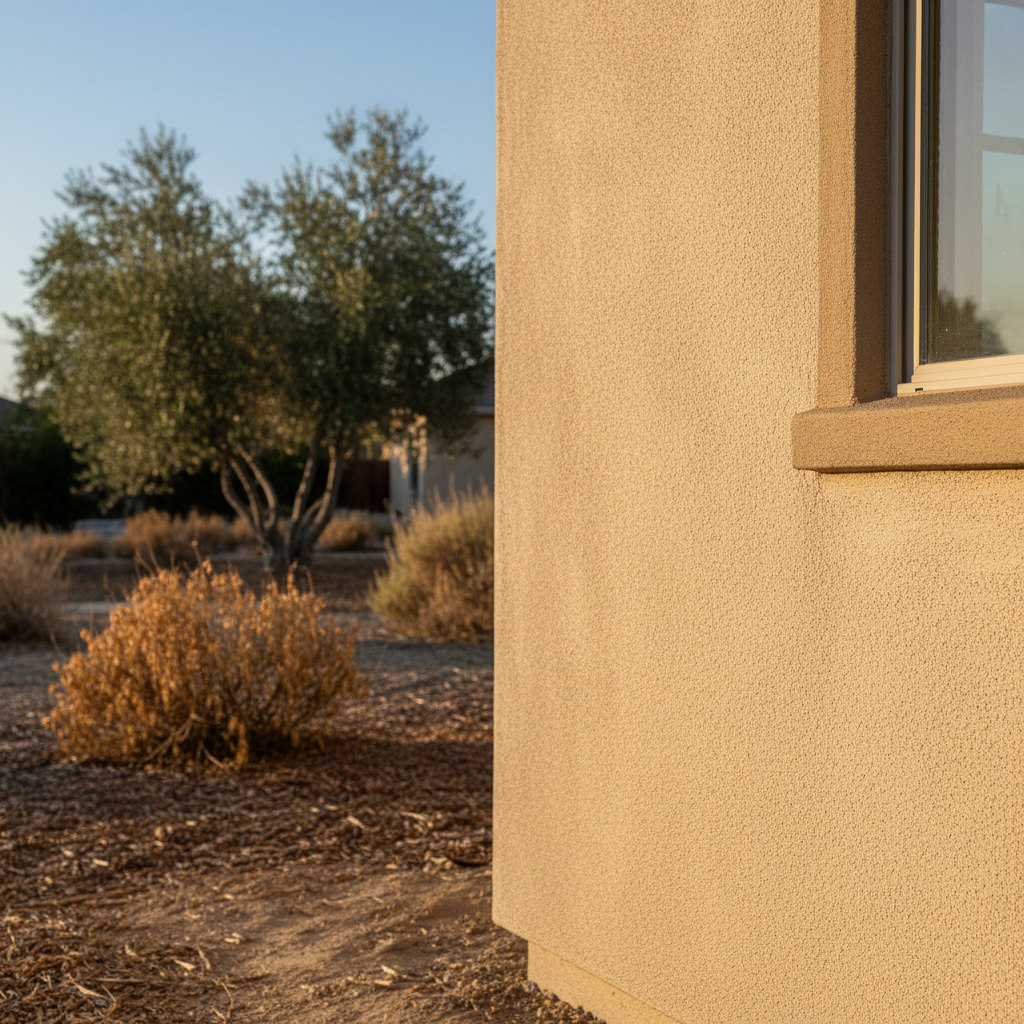
Traditional stucco, on the other hand, is mostly cement, sand, and water. We apply it in layers directly over a metal lath that's attached to your wall. It's hard, it's dense, and it breathes. EIFS is lighter, much more flexible, and gives you way better insulation. It's not cement-based in the same way traditional stucco is, and that's a really important difference.
Is EIFS really waterproof? What about moisture problems?
This is probably the biggest question and the main concern I hear, especially from folks in older neighborhoods, maybe around Old Town Clovis, where they've definitely seen some moisture issues over the years. Look, no exterior cladding system is 100% waterproof if someone installs it wrong. EIFS, when we do it right, is designed to be water-resistant, not waterproof like a submarine. The finish coat sheds water, sure, but the real protection comes from the system's ability to manage moisture.
The bad rap EIFS got back in the 80s and 90s? That was mostly because of bad installation—especially around windows, doors, and other openings—where water could get behind the system and just get stuck. Modern EIFS, which we often call 'drainable' or 'water-managed' EIFS, actually includes a drainage plane behind the insulation. This means if any water *does* happen to get past the finish, it has a clear path to drain right out, stopping it from getting trapped and causing rot. It all comes down to proper flashing and detailing. If your contractor isn't talking about drainage and flashing, well, you really need to ask more questions.
How long does EIFS last and what kind of maintenance does it need?
When pros like us at Top Line Clovis Stucco install it correctly, EIFS can last a good long time—often 30-50 years or even more. The key, of course, is that 'installed correctly' part. Its longevity really depends on the quality of the initial work and how well you take care of it.
Maintenance isn't super intensive, but it is important. You'll want to do a visual inspection every year. Look for cracks, especially around windows and doors, or any spots where the finish might be peeling or damaged. If you spot small cracks, you usually need to seal them to keep water out. You'll also want to keep it clean. Dust, dirt, and even mildew can build up, especially on north-facing walls that don't get as much sun. A gentle power wash with some mild detergent is usually all it takes. Just don't blast it with super high pressure; you really don't want to damage the finish.
Can EIFS really save me money on my energy bills in Clovis?
Absolutely, that's one of its biggest selling points, especially with our scorching Clovis summers. The 'I' in EIFS stands for Insulation, remember? That thick layer of rigid insulation board on the outside of your wall acts like a continuous thermal blanket. It significantly cuts down on heat transfer through your walls, keeping your house cooler in the summer and warmer in the winter. Think about how hot it gets here in July and August—sometimes pushing 110 degrees! That insulation really makes a difference in how hard your AC has to work.
Homeowners often tell us they see noticeable drops in their energy bills after installing EIFS. It's a smart investment if you're looking to improve your home's energy efficiency and comfort, not just its looks.
What kind of finishes and colors are available with EIFS?
This is where EIFS really shines for curb appeal. The finish coat is incredibly versatile. You've got a huge range of textures available, from super smooth to sand finishes, or even something that mimics brick or stone. It's not just a flat, boring surface. We can create some truly custom looks that you just can't get with traditional stucco or other claddings.
And colors? Oh man, you're practically unlimited. The finish is typically an acrylic-based material that we can tint to almost any color you can imagine. This means you can match existing colors perfectly or go for a completely new aesthetic. The colors are also mixed right into the finish itself, so they tend to be more fade-resistant than just painting over traditional stucco. It gives you a lot of design freedom to make your home stand out or blend in—whatever your style.
Is EIFS more expensive than traditional stucco?
Generally speaking, yes, EIFS often has a higher upfront cost per square foot compared to traditional three-coat stucco. There are simply more components to the system—the insulation board, the specialized base coats, the mesh, and the acrylic finish—and it requires a very specific, detailed installation process. It's not something you ever want to cut corners on.
However, when you're looking at the long-term value, it's not always a straightforward comparison. You're getting superior insulation, which translates to those energy savings we talked about. You're also getting a highly durable and flexible finish that resists cracking better than traditional stucco. So, while the initial sticker price might be a bit higher, the long-term benefits in terms of energy efficiency, reduced maintenance, and overall home comfort can make it a very worthwhile investment for many homeowners.