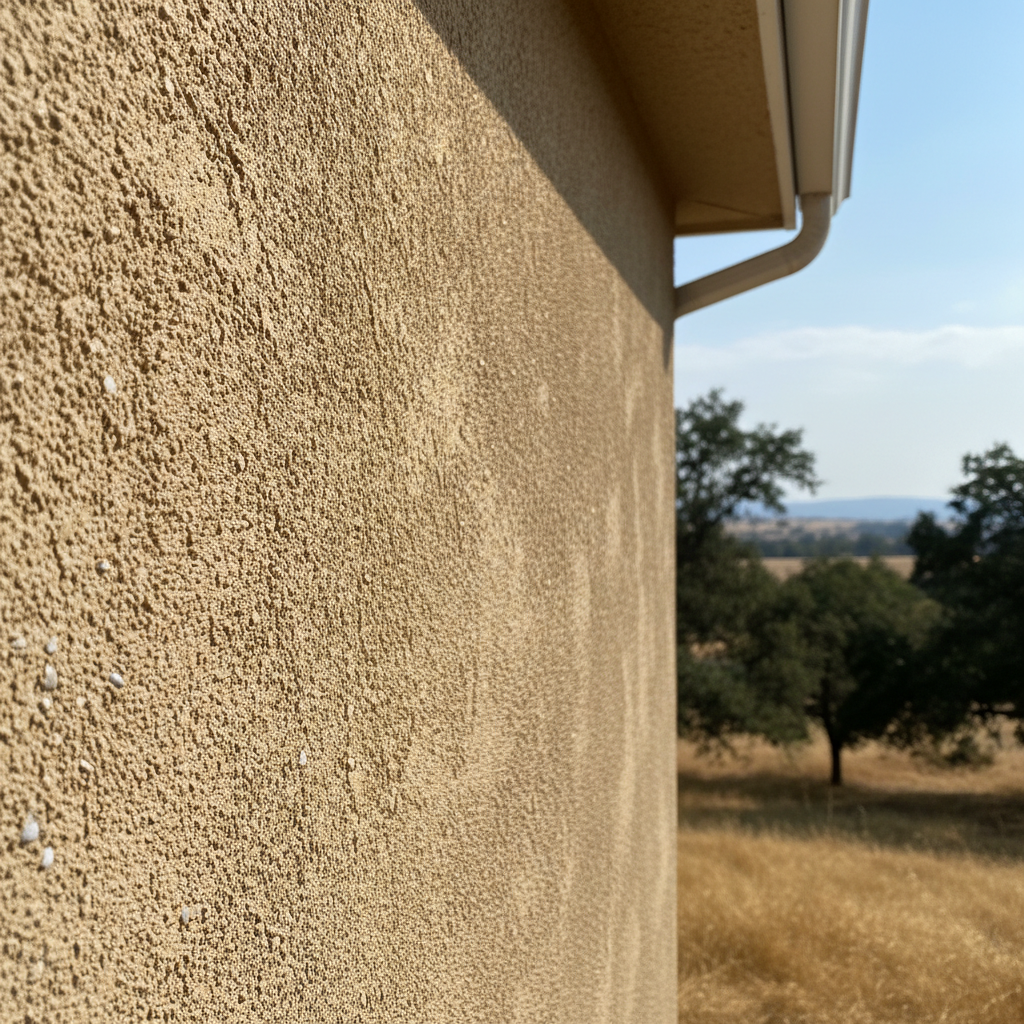
Alright, let's talk stucco. If you live in Clovis and own a stucco home, you probably want to make sure it's holding up, right? That's just plain smart. Our Central Valley weather — with those brutal summers and, let's be honest, sometimes surprisingly wet winters — really puts stucco through its paces. You don't need to be an expert to spot potential trouble, but knowing what to look for and when it's time to call in the big guns can save you a ton of grief and money later on.
Before You Start Looking: Get Ready
Before you even step outside, take a minute to think about what you're trying to do. You're not launching a full-blown forensic investigation; this is more like a homeowner's quick visual check-up. Grab a notepad, a pen, and your phone for snapping pictures. A small hammer or even a plastic mallet can come in handy for some light tapping, too. You'll definitely want to do this during the day, obviously, and ideally when the stucco is dry. That way, you can clearly spot any discoloration. Just make sure you've got good lighting and can safely get to all parts of your home's exterior.
Your DIY Stucco Inspection: What to Look For
Okay, time to put on your detective hat. Walk all the way around your house, slowly and really paying attention. Give these spots extra scrutiny:
- Cracks: This is probably the most common thing people notice. Hairline cracks, those super thin lines? They're often just cosmetic. They pop up as your house settles or because of our temperature swings, which cause things to expand and contract. You can usually seal these yourself with some elastomeric caulk. But if you see cracks wider than a credit card (we're talking 1/16th of an inch or more), or if they run diagonally, especially around windows and doors, that's a red flag. Those could signal structural movement or even foundation problems, and that's when you need a professional to weigh in. Also, keep an eye out for cracks that look like a spiderweb or follow the outline of the lath underneath — those can point to issues with how the stucco was put on in the first place.
- Discoloration & Stains: Spot any dark streaks, yellowish patches, or green areas? That usually means moisture is getting in where it doesn't belong. Check around windows, under eaves, near the foundation, and around any fixtures like hose bibs or vents. If you see white, powdery stuff (we call it efflorescence), it means water is moving through the stucco and leaving mineral deposits behind. While efflorescence itself isn't typically structural damage, it's a huge indicator of underlying moisture issues that absolutely need to be dealt with.
- Bulges, Blisters, or Soft Spots: Gently tap on your stucco with that mallet or your knuckles. It should feel solid. If you hear a hollow sound, or if it feels soft, spongy, or crumbles when you press it, well, that's a problem. This often means water is trapped behind the stucco, causing it to delaminate or the material underneath to rot. Bulging or blistering areas are also pretty clear signs of trapped moisture.
- Sealants & Flashing: Take a close look at where your stucco meets other materials – around windows, doors, utility pipes, and at the roofline. Are the sealants cracked, missing, or pulling away? That's a prime spot for water to sneak in. Flashing, which is designed to direct water away, needs to be completely intact and installed correctly.
- Drainage: Check out your gutters and downspouts. Are they clean? Are they actually directing water away from your house? If water is puddling near your foundation, it can soak up into the stucco. Here in Clovis, especially with our hard-packed clay soils, proper drainage is super important to keep water from just sitting against your foundation.
When to Call a Pro (That's Me, Top Line Clovis Stucco)
So, you've done your visual check, and you've found a few things that make you a little nervous. When exactly should you pick up the phone and call someone like me?
- Significant Cracks: Any crack wider than 1/16th of an inch, or any diagonal cracks around openings, really needs a professional eye. These can point to foundation issues or deeper structural problems that a simple patch just won't fix.
- Widespread Discoloration or Efflorescence: If you're seeing a lot of staining or white powdery deposits spread across big areas, it's not just a surface thing. It means there's a persistent moisture problem that needs to be diagnosed and fixed at its source.
- Soft, Hollow, or Bulging Stucco: This is a big deal. If your stucco feels compromised, there's likely hidden damage — possibly rot or mold — behind it. We'll need to investigate to stop further deterioration and avoid even more expensive repairs down the road.
- Repeated Problems: If you've patched a crack yourself and it just keeps coming back, or if you're constantly battling mold or stains in the exact same spot, it's time for a deeper look. There's an underlying issue that needs professional attention.
- Before a Major Project: Thinking about repainting your stucco, adding an addition, or even selling your home? A professional inspection can give you real peace of mind and help you avoid nasty surprises.
A professional stucco inspection goes way beyond what you can see with your own eyes, you know? We use specialized tools like moisture meters and sometimes even do minimally invasive probe testing to find hidden water damage that isn't visible. This kind of diagnostic work is absolutely crucial for understanding the full scope of any problem and recommending the right fix.
After the Inspection: What Happens Next?
Whether you did a quick DIY check or had a pro like me out, the next steps really depend on what you found.
- Minor Issues (DIY Fixes): For small hairline cracks or a little bit of efflorescence, you can often handle these yourself. Clean the area, apply the right caulk or a mild cleaning solution for the efflorescence, and just keep an eye on it. But remember, if it keeps reappearing, it's probably not as minor as you thought.
- Professional Repairs: If we find more serious problems, we'll give you a clear assessment and a plan of action. This could range from targeted repairs to address specific spots where water is getting in, or larger sections of damaged stucco, all the way up to a full stucco replacement if the damage is really extensive. We'll always explain exactly what needs to be done, why, and what you can expect.
The main thing is to be proactive. Seriously, don't let small issues snowball into big, expensive headaches. Your stucco is your home's first line of defense against the elements, and keeping it in good shape protects your entire investment. If you're ever in doubt, just give Top Line Clovis Stucco a call. We're here to help our neighbors keep their homes solid.