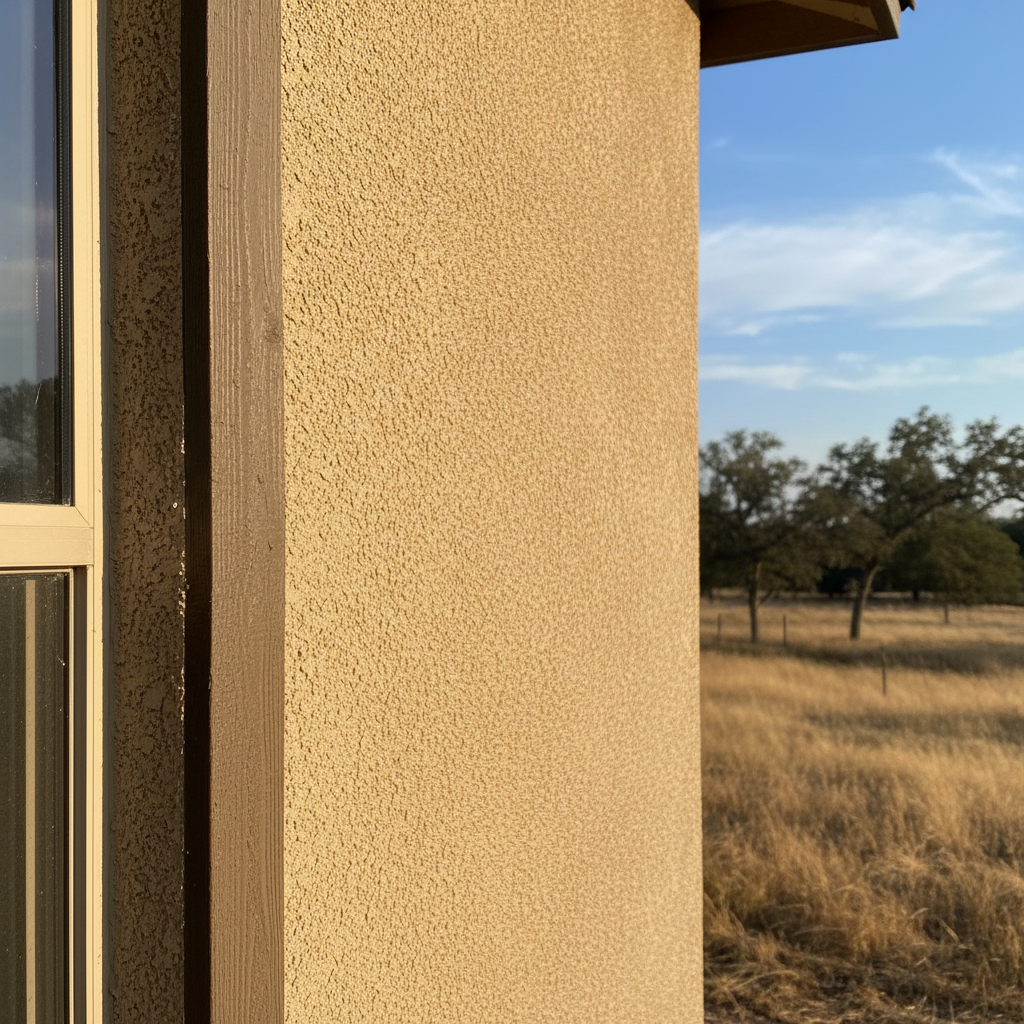
Thinking about new stucco for your Clovis home?
It's a big project, no doubt about it. Stucco's a fantastic choice for our climate here in the Central Valley – tough, durable, and looks great when it's done right. But when folks start looking into it, a common question pops up: “Can I do this myself, or do I really need to hire someone?” Let's break down what's realistic for a homeowner and when you absolutely should pick up the phone.
Before You Even Think About Mixing Mud
First off, you gotta understand what you're getting into. Stucco isn't like painting a wall. It's a multi-layer system, and each layer has to be applied correctly for the whole thing to last. Mess up one step, and you're looking at cracks, water intrusion, or even bigger headaches down the road. That's not something you want to deal with, especially with our hot summers and the occasional heavy rain we get.
What You CAN Do Yourself (Preparation & Small Repairs):
- Clean the surface: If you're repairing existing stucco, a good power wash (carefully, not too close!) can make a huge difference. Get rid of dirt, loose paint, and anything else that'll stop new material from sticking.
- Minor crack filling: Small hairline cracks, say less than 1/8 inch wide, can often be filled with a good quality elastomeric stucco patch. Follow the instructions on the tube or tub. It's more about aesthetics and preventing water than structural integrity at this point.
- Understanding the process: Read up on it! Know the layers: sheathing, building paper, lath, scratch coat, brown coat, and finish coat. Even if you're hiring out, knowing these steps helps you ask smart questions and understand what's happening on your house.
When to Call a Pro (New Installation & Major Repairs):
- New stucco installation: This is a huge undertaking. It involves framing, flashing, proper water barriers, precise lath attachment, and then applying multiple coats of stucco with specific curing times. There are so many places to go wrong, and the consequences can be expensive.
- Large cracks or structural damage: If you've got cracks wider than a quarter-inch, stucco that's crumbling, or soft spots, you're likely dealing with a bigger issue than just a surface fix. This could indicate foundation problems, water damage behind the walls, or improper original installation. A pro can diagnose the root cause and fix it right.
- Water intrusion issues: See staining, mold, or peeling paint inside near an exterior wall? That's a red flag. Stucco is supposed to shed water, not let it in. Finding and fixing the source of a leak in a stucco system is complex and requires expertise.
- Matching existing textures/colors: Achieving a seamless match for repairs can be surprisingly tricky. We've got specific sand and aggregate here in Clovis that can affect the final look. A pro has the experience and materials to blend new work with old so it doesn't stick out like a sore thumb.
During the Project: What to Look For
If you do decide to hire a contractor, don't just hand over the keys and walk away. Be an informed client. Ask about their process, what materials they use, and how they handle things like flashing around windows and doors – those are critical areas for preventing water leaks. Make sure they're licensed and insured. Here at Top Line Clovis Stucco, we're always happy to walk clients through every step so they know exactly what's happening.
After the Stucco's Done
Once the job's finished, keep an eye on it. Stucco is low maintenance, but not no maintenance. A good visual inspection once or twice a year can catch small issues before they become big ones. Look for new cracks, discoloration, or any signs of moisture. Small issues caught early are always cheaper and easier to fix.
Ultimately, while some minor stucco tasks are within a homeowner's reach, anything involving new installation or significant repairs is best left to the pros. It's an investment in your home's longevity and curb appeal, and getting it right the first time saves you a lot of grief and money down the road.