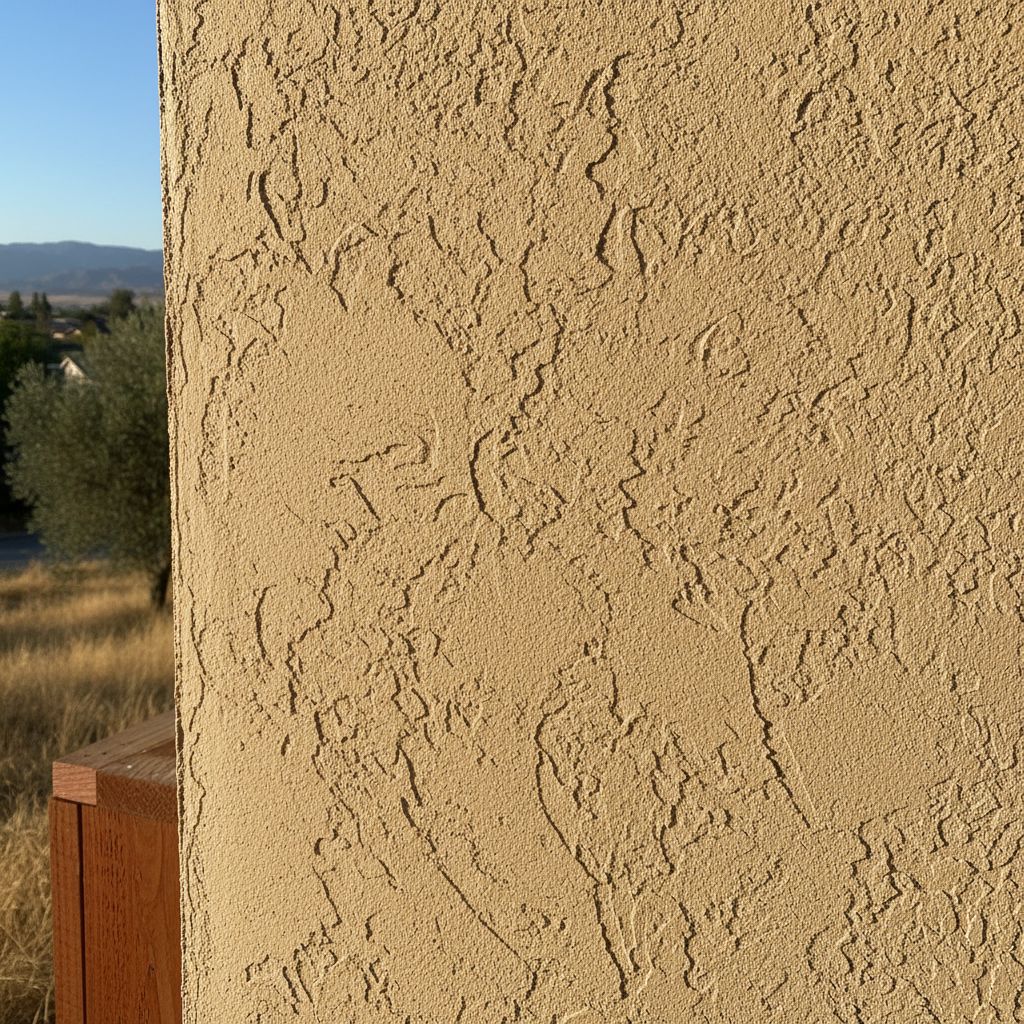
What Exactly is Stucco Redashing?
So, your stucco's looking a little tired, huh? Maybe it's got some minor cracks, it's discolored, or it just doesn't pop like it used to. That's where redashing comes in. It's basically putting a fresh, thin coat of stucco finish right over your existing, solid stucco. Think of it like a really good facelift for your house, you know? It's not a full replacement, and it's definitely not for major structural issues or widespread damage. No, redashing is for refreshing the look, boosting curb appeal, and adding another layer of protection.
Now, before you even think about grabbing a trowel, you've got to understand what you're working with. Redashing only works if the stucco that's already there is solid. If you've got big, deep cracks, crumbling sections, or moisture problems, redashing is just putting lipstick on a pig. Seriously. You'll need to address those underlying issues first, and that's usually a job for a pro. We see a lot of homes in older Clovis neighborhoods, like around Peach & Nees, where the original stucco is still pretty good, but it's just showing its age. That's prime redashing territory — perfect, actually.
Before You Start: Assessing Your Stucco
Alright, so you've decided your stucco might be a good candidate. What do you look for? Grab a hammer or a screwdriver handle and tap around. Listen for hollow sounds. Solid stucco should sound, well, solid. If it sounds hollow or soft, that's a red flag. Look for hairline cracks – those are usually fine for redashing. Wider cracks (think bigger than a credit card) or cracks that spiderweb out from windows or doors? Those need repair before any redashing happens.
Also, check for efflorescence – that white, powdery stuff. That's usually a sign of moisture getting behind the stucco, and you absolutely can't just redash over that. You'll need to find the source of the moisture and fix it. This isn't a step to skip; it'll save you a ton of headaches and money down the road. Prep is like 80% of any good stucco job, and redashing is no different.
DIY Redashing: What You CAN Do
Can you redash yourself? For small, manageable areas, absolutely. If you're just doing a small wall, a chimney, or a patch, it's doable. Here's the basic rundown:
- Clean it up: Power wash the existing stucco. Get rid of all the dirt, grime, and loose paint. Let it dry completely.
- Patch small cracks: Use a good quality stucco patch for any hairline cracks. Make sure it's flush with the existing surface.
- Apply a bonding agent: This is crucial. It helps the new finish coat stick to the old stucco. Don't skip this.
- Mix your finish coat: Follow the manufacturer's instructions to a T. Consistency is key. Too wet, it'll run; too dry, it won't spread right.
- Apply the finish: Use a hawk and trowel. This takes practice. Start in an inconspicuous spot. Apply a thin, even coat. You're aiming for consistency in texture and thickness across the whole surface.
- Texture it: If you want a specific texture (dash, lace, swirl), you'll need the right tools and technique. This is where it gets tricky for DIYers.
For a small area, you might get away with it. But if you're doing a whole side of your house, or your entire home, it's a different ballgame.
When to Call the Pros (Like Top Line Clovis Stucco)
Here's when you really need to pick up the phone and call someone like us at Top Line Clovis Stucco:
- Extensive damage: As I said, if you've got widespread cracking, crumbling, or moisture issues, that's beyond redashing. You need proper repairs first.
- Large areas: Trying to redash an entire house, especially a two-story, is a massive undertaking. Getting a consistent finish over a large area is incredibly difficult for an amateur. You'll likely end up with noticeable seams, uneven textures, and a finish that looks patchy.
- Matching existing texture: If you're only doing a section and need it to blend seamlessly with the rest of your house, matching texture is an art form. Pros have the experience and tools to do this right.
- Time and effort: This isn't a weekend project for a whole house. It's labor-intensive, and if you're not used to it, you'll be sore and frustrated.
- Warranty: A professional job comes with a warranty. If something goes wrong, it's on us to fix it. If you DIY and mess up, it's on you.
Look, I'm all for homeowners tackling projects they can handle. It's satisfying. But sometimes, knowing your limits saves you money and a lot of grief in the long run. Redashing can make your home look brand new, but only if it's done correctly. If you're unsure, or if it's a big job, just give us a call. We're happy to come out, take a look, and give you an honest assessment of what your stucco needs.